Cancer-causing ‘forever’ chemicals in 88% of Stanislaus water samples, report finds
Pesticides linked to cancer were found in 88% of surface water samples in Stanislaus County, according to a recent analysis by the nonprofit Environmental Working Group.
The report examined surface water and sediment test data from 10 counties across the state collected between 2020 and 2024 by the California Department of Pesticide Regulation and the U.S. Geological Survey. Surface water testing checks for active contamination flowing through lakes and rivers, while sediment testing looks for potential pollutants in the mud and sand at the bottom of those bodies.
It found widespread contamination from per- and polyfluoroalkyl substances, or PFAS, a class of chemicals known for their persistence in the environment.
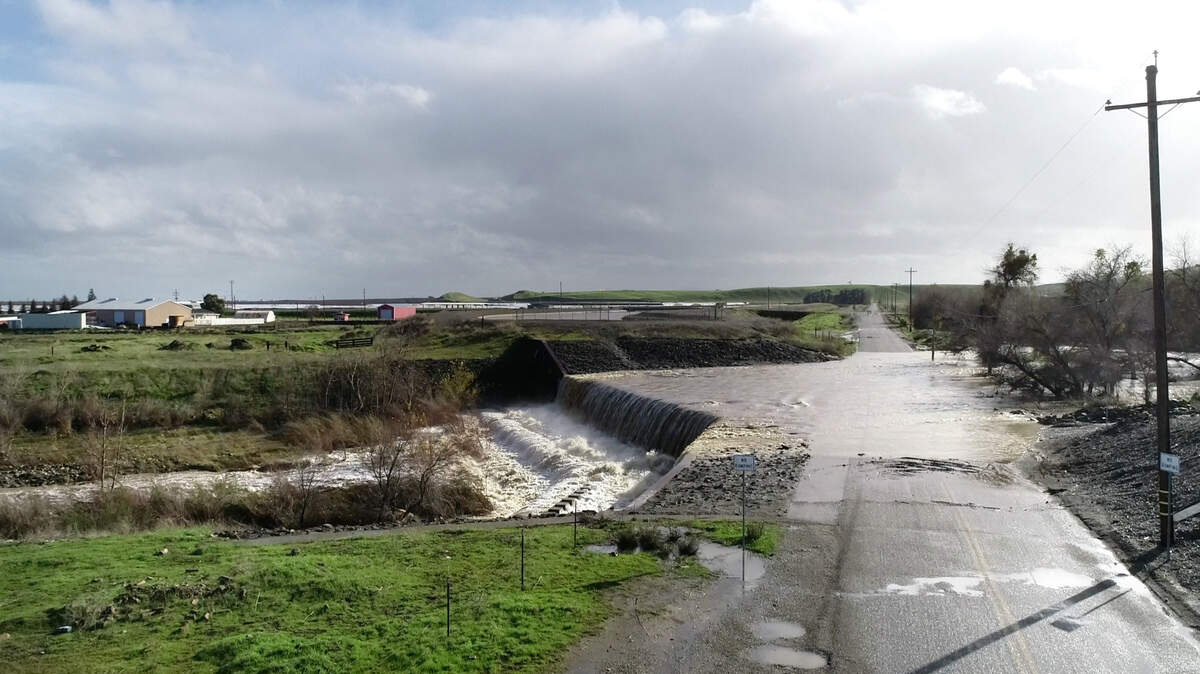
Bifenthrin, a widely used insecticide classified as a possible human carcinogen, was found in 88% of surface water samples collected in Stanislaus County. The bodies of water sampled in the county include Ingram Creek, Del Puerto Creek and Orestimba Creek.
PFAS pesticides were found in half of surface water samples, and in about 45% to 55% of sediment samples in California. These chemicals have been linked to decreased immunity, high cholesterol, cancer and other health concerns.
“What we are finding in California’s waterways should alarm every Californian and every American who eats California-grown food,” said Bernadette Del Chiaro, EWG’s senior vice president for California, in a press release. “If we’re seeing PFAS pesticides show up this often even in limited surface water and sediment tests, the true scale of this contamination is almost certainly even greater. We need to stop deliberately spraying these toxic chemicals on our crops.”
Between 2018 and 2023, an average of 2.5 million pounds of PFAS were applied per year on cropland in California. EWG also found frequent detections of these chemicals on grown produce.
Assembly Bill 1603, which was introduced earlier this year by Assemblymember Nick Schultz, D-Burbank, targets PFAS. The bill is co-sponsored by EWG, Californians for Pesticide Reform, Pesticide Action & Agroecology Network and the Center for Environmental Health.
“We already know that PFAS are toxic chemicals that can harm people in a number of serious ways,” said Susan Little, EWG’s California legislative director, in the press release. “The state needs to move swiftly to phase out PFAS pesticides for agricultural uses.”
Valley Improvement Projects, a nonprofit based in Modesto, said in a statement that it is deeply concerned by the findings, which should serve as a call to action for “greater transparency regarding where contamination is occurring, expanded monitoring of waterways, and increased investment in solutions that protect both public health and agricultural sustainability.”
VIP added that state and local agencies, agricultural assistance programs, universities and industry partners should support growers in transitioning to sustainable farming practices that improve soil health, protect water quality and reduce reliance on harmful chemicals.
“Environmental contamination doesn’t stop at the edge of a field. What ends up in our waterways can ultimately affect the communities that live, work, fish, and recreate downstream. We have a responsibility to support farmers and communities alike in building a food system that protects both public health and the environment,” said Bianca Lopez, VIP’s co-founder.